Dismantling the public displays of the Lost Cause a piece at a time
Virginia's 2026 legislature passed bills stripping Confederate tax exemptions, ending rebel license plates, and removing statues from Capitol Square. The Lost Cause infrastructure was built piece by piece. Now it's coming down the same way.


The whole Lost Cause apparatus
Virginia built a Lost Cause infrastructure piece by piece. It put statues next to the Capitol. It provided tax exemptions coded into state law for groups we've covered before. And it issued license plates stamped with rebel iconography and Robert E. Lee's likeness.
It took decades.
Now the 2026 General Assembly has passed bills to dismantle part of it in one session.
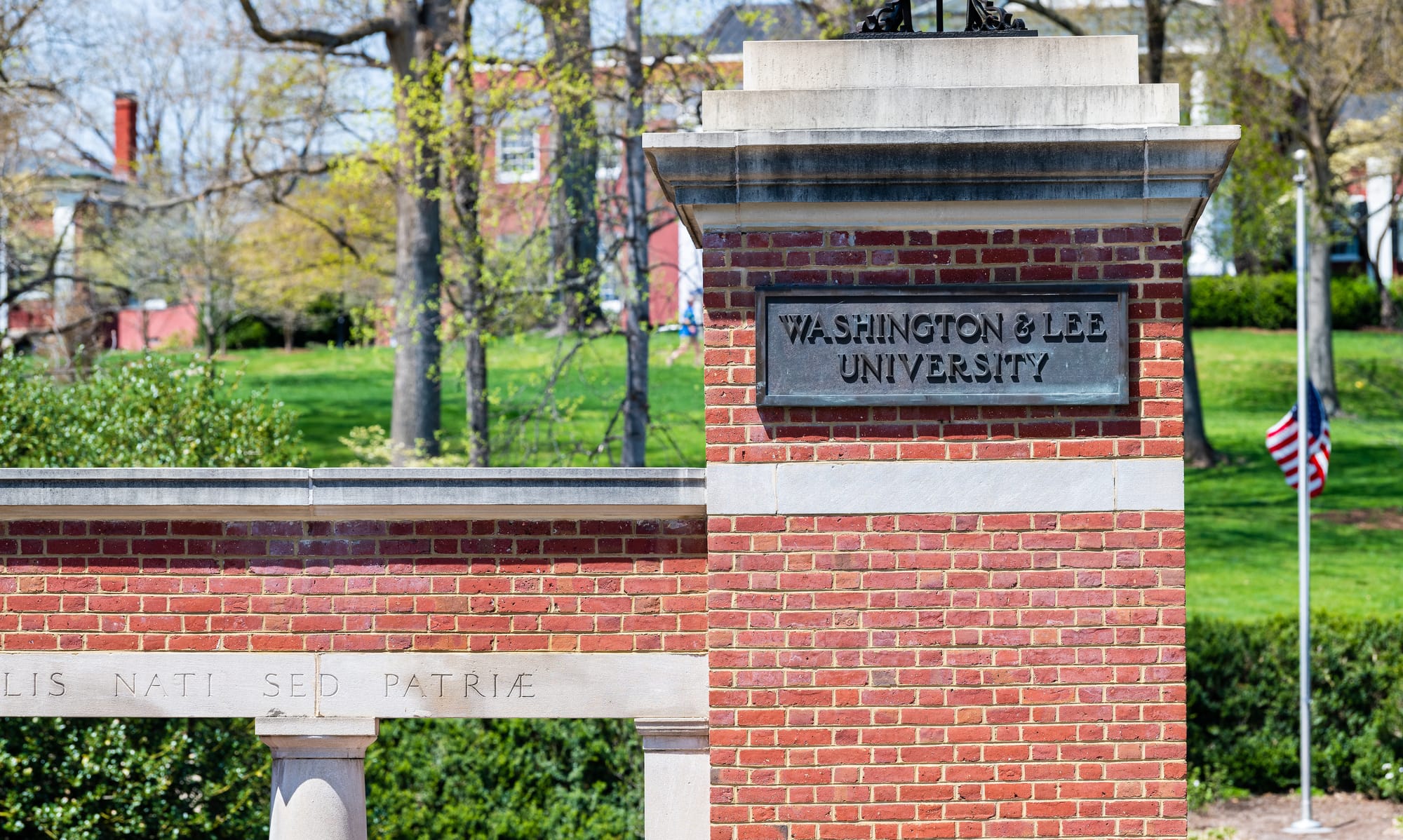
Three bills. Three different mechanisms. One argument. The state of Virginia should not subsidize, honor, or promote the Confederacy. (This also relates to what's happening at the institution next door.)
That package now awaits Gov. Abigail Spanberger's signature, which is almost assured.
None of it is subtle. It is long overdue.
Backlash, not heritage
We'll Start with HB 167, because it has the most revealing origin story.
The bill strips tax-exempt status from a collection of Confederate heritage organizations: the Virginia Division of the United Daughters of the Confederacy, the Confederate Memorial Literary Society, the Stonewall Jackson Memorial, the Virginia Division of the Sons of Confederate Veterans, and the J.E.B. Stuart Birthplace Preservation Trust.
These exemptions weren't written into Virginia law at the end of the Civil War, or even during the first wave of Lost Cause monument-building in the late 19th century.
They were introduced in 1950.
Why then? 1950 is not the pre-civil-rights era. It is smack in the middle of the movement to dismantle segregationshortly before Brown v. Board of Education, which would produce massive resistance and the closing of Virginia public schools rather than integrate them. These tax exemptions were not a gesture of tradition or a nod at heritage. They were an explicitly political act. The Virginia legislature was declaring whose history it intended to protect and whose movement it intended to resist.
Last month, the Virginia Senate passed HB 167 along party lines (21-17 ). Former Gov. Glenn Youngkin vetoed a version of the bill last year. The difference this year is Spanberger in the executive mansion. And she is expected to sign it.
The United Daughters of the Confederacy, for their part, responded to passage with a statement calling it "viewpoint discrimination" and warning that it sets a precedent that might one day strip churches of their tax-exempt status. This argument is the Lost Cause in miniature. It argues that organizations devoted to honoring men who went to war to preserve slavery deserve the same protections as religious institutions . It claims victimhood dressed up as a constitutional principle. It is, of course, bullshit.
The license plates
HB 1344 is the tidiest of the three. It repeals the statutory authorization for Virginia to issue special license plates glorifying the confederacy. One for the Sons of Confederate Veterans and one commemorating Robert E. Lee. The plates already on vehicles will remain valid until they expire, but they cannot be renewed.
The state of Virginia has, for years, been in the business of stamping Confederate iconography on license plates and handing them out through the DMV—an arrangement that required an affirmative act of the legislature to create and will now require an affirmative act to end. The bill does exactly that. It passed both chambers and is headed to Spanberger along with the rest of this package.
The public comment record on the bill is instructive. One submission argued that removing the plates constitutes "an act of aggression." Another insisted these plates represent "heritage, not hatred."
These arguments have been made so many times, for so many years, about so many Confederate symbols, that they have calcified into ritual. Same playbook, different day. It doesn't even matter what is actually being argued. The heritage claimed, as we know, is a heritage of secession and slavery. The state of Virginia declining to put that heritage on a license plate is not aggression.
It is the least it could do.
The statues on Capitol Square
It always comes back to statues too.
SB 636 is the one that has drawn the most heated response, which makes sense—it is the most visible. The bill directs the Department of General Services to remove three Confederate statues from Capitol Square in Richmond: Gen. Thomas "Stonewall" Jackson, Gov. William "Extra Billy" Smith, and Dr. Hunter Holmes McGuire.
All three were installed in the late 19th and early 20th centuries—the same era that gave Virginia its poll taxes, grandfather clauses, and the systematic dismantling of Black political power after Reconstruction. We know Jackson well. Smith also was a prominent Confederate general, who later served as governor of Virginia. McGuire, the least known of the three, was also extra virulent. He was the Confederacy's medical director and a committed defender of slavery. After the war he spoke loudly in opposition to Black voting rights.
They are all currently visible from the windows of the state capitol.
Senate sponsor Adam Ebbin, who is leaving office, called the statues "an embarrassment" commemorating people who "supported slavery" standing in the public square where Virginia's laws are made. Del. Lee Ware (R-Powhatan) rose to speak against removal, which is his right. But there is something clarifying about watching a Virginia Republican rise to defend statues of Confederate generals on the grounds of the capitol of the former Confederate capital. The argument writes itself.
SB 636 passed the Senate along party lines. The statues would are to be removed and stored pending a determination by the General Assembly about their final disposition.
The clock ticks
All three bills are on Gov. Spanberger's desk. Under Virginia law, she has until April 13 to sign, veto, or send back amendments. If she takes no action, the bills become law automatically.
She most assuredly will sign them. Her office has said, in measured language, that she "looks forward to reviewing all legislation that reaches her desk." Youngkin vetoed predecessors to both HB 167 and the license plate bill. Spanberger is not Youngkin. That is precisely why these bills are on her desk instead of into the bin.
This is electoral accountability. The General Assembly passed these bills in earlier sessions. A Republican governor killed them. Virginia voters elected a Democratic governor, and now the same legislature, with the same priorities, has passed the same bills again—and this time there is every reason to expect them to become law.
The Lost Cause infrastructure in Virginia did not build itself. It was constructed through deliberate legislative acts, carve-outs, authorizations, and appropriations. It can be dismantled the same way. The 2026 session is doing exactly that. It's not symbolic, but a series of specific, concrete changes to the Code of Virginia.
All these vestiges of hate date to the era of Jim Crow by a legislature that knew exactly what it was doing.
Now a new legislature is doing something different.
Will the country's largest Confederate memorial (our alma mater) get the memo?I'm not holding my breath, but we have to keep the pressure on it.
Non in cautus futuri.